Aug 24, 2026
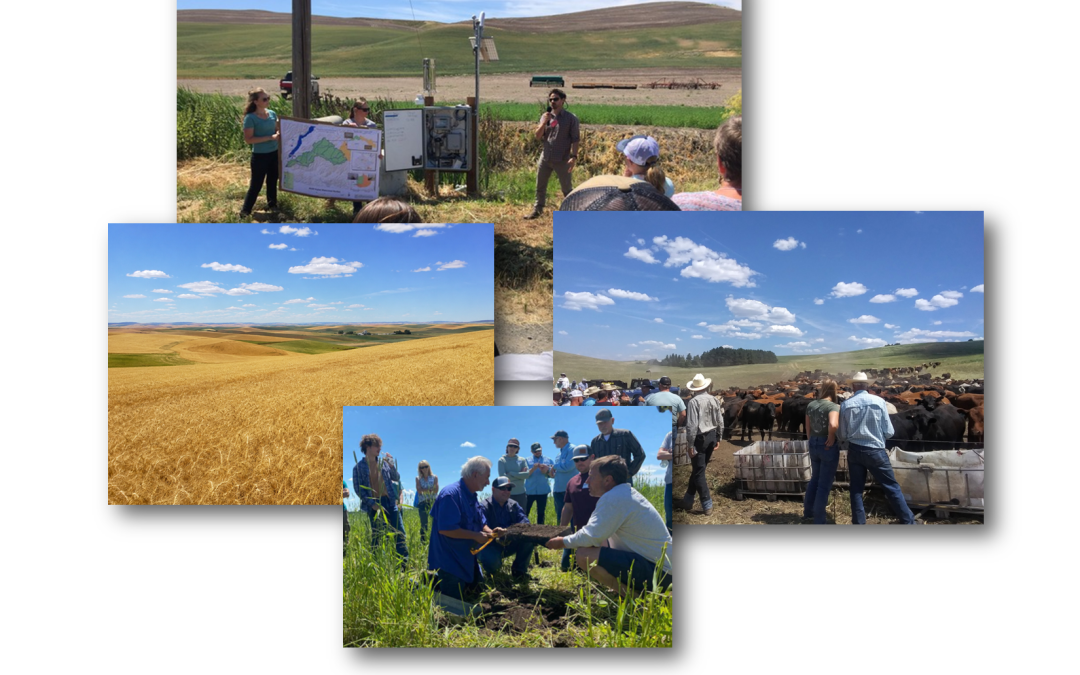
August 24, 2026 By Philip Moffatt and Jan Boll, Washington State University The Palouse Region in eastern Washington, north-central Idaho, and north-eastern Oregon includes 8.2 million acres of dryland crop production, supplying 13% of the nation’s total wheat...
Jul 27, 2026
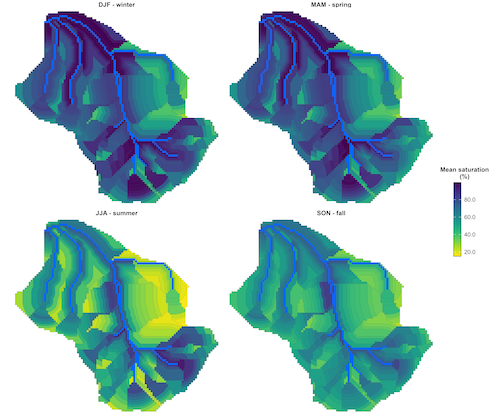
July 27, 2026 By Abdisa Kebebew, Washington State University After a wildfire, a watershed may no longer store and release water in the same way. Vegetation and litter that once intercepted rainfall and protected the soil may be severely reduced. Burned vegetation...
Jun 10, 2026
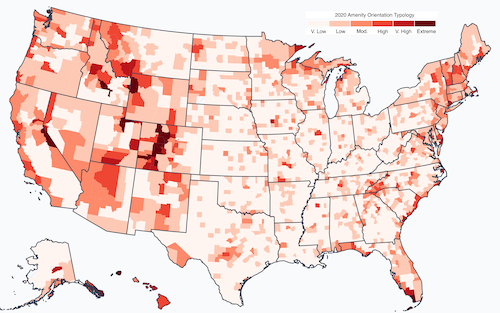
June 10, 2026 By Alexander Theophilus, Utah State University Across the United States, people are attracted to communities in close proximity to desirable natural features such as mountains, lakes, and public lands for outdoor recreation, aesthetics, or other...

Oct 31, 2025
By Rachel Spurrier, Administrative Coordinator, Colorado State University Ryan Morrison (PI, Front Range Place-Based Collaborative) has received a grant with Colorado State University Associate Professor Yoichiro Kanno to study low-tech process based restoration...
Oct 30, 2025
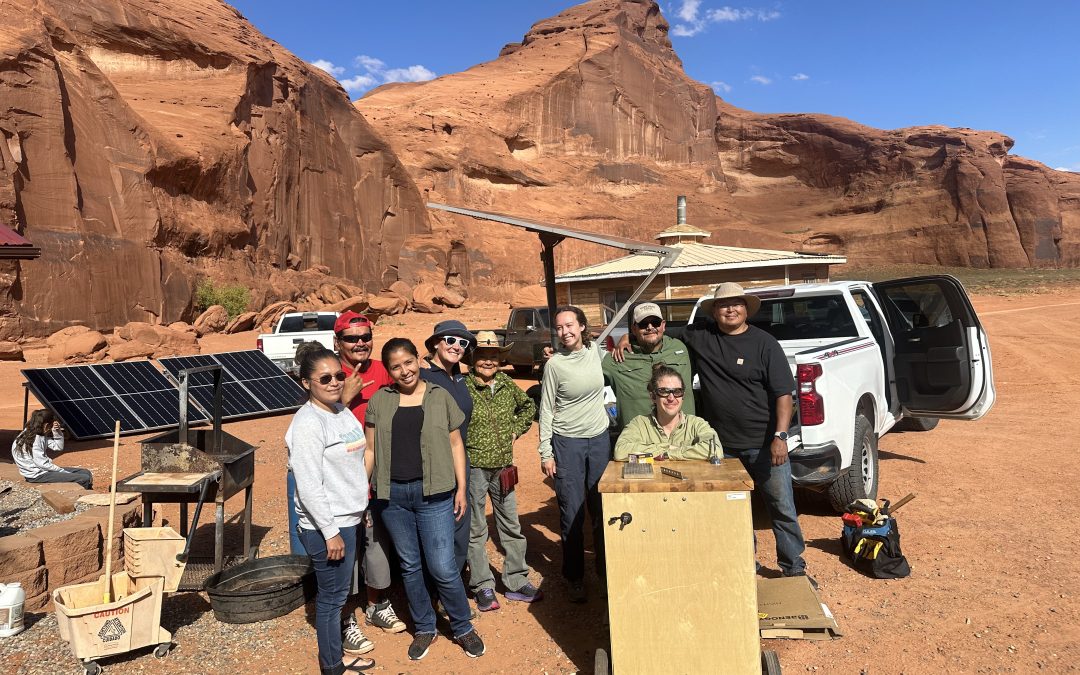
October 30, 2025 Earlier this fall, members of the Transformation Network team at The University of Arizona (UA) and Northern Arizona University (NAU) visited their community partners in Monument Valley Park. The research teams at UA and NAU have worked closely with...
Apr 25, 2025
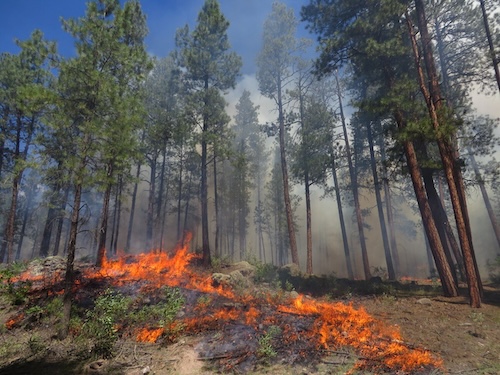
April 25, 2025 By Alyssa Mineau, PhD Student, New Mexico State University On October 2–3, 2024, the Transformation Network hosted a Wildfire and Watershed Symposium for our Wildfire and Watershed Collaborative Working Group in Albuquerque, NM. This gathering brought...